

🏜️ From Trails to the River: The History Beneath Your Feet at the Grand Canyon
With several inner canyon trails beginning to reopen, it is a good time to look at the history behind the paths that take hikers from the rim all the way down to the Colorado River. Long before modern gear and switchbacks, these routes were shaped by Native American travel corridors, later expanded by miners, prospectors, and early tourism operators trying to make the canyon more accessible.
One of the most famous routes, the Bright Angel Trail, follows an ancient path used by the Havasupai people to reach water sources deep in the canyon. In the late 1800s, it was improved as a toll road, where early visitors actually had to pay to hike down. Imagine today’s trailhead with a ticket booth. It was not until the National Park Service took control that access became public and the trail was improved for safer travel.
At the bottom of the canyon sits one of the most unique lodging spots in the country, Phantom Ranch. Built in 1922 and designed by famed architect Mary Colter, the ranch was created as a remote retreat for adventurous travelers willing to hike or ride a mule nearly 10 miles into the canyon. Supplies had to be hauled in by mule train, and in many ways, that has not changed. To this day, Phantom Ranch remains one of the hardest reservations to secure in the National Park system.
The trails themselves were feats of engineering. Crews carved switchbacks into sheer canyon walls using hand tools, creating routes like South Kaibab and Bright Angel that are still in use today. These trails were not just for recreation. They were lifelines for moving people, mail, and supplies between the rim and the river.
Today, hiking these trails is often seen as a bucket list adventure, but every step follows a path shaped by centuries of human history. Whether you are planning a future hike or just watching the trail updates, it is worth remembering that the journey to the bottom of the Grand Canyon is not just about the views. It is about walking through layers of history carved into the canyon itself.


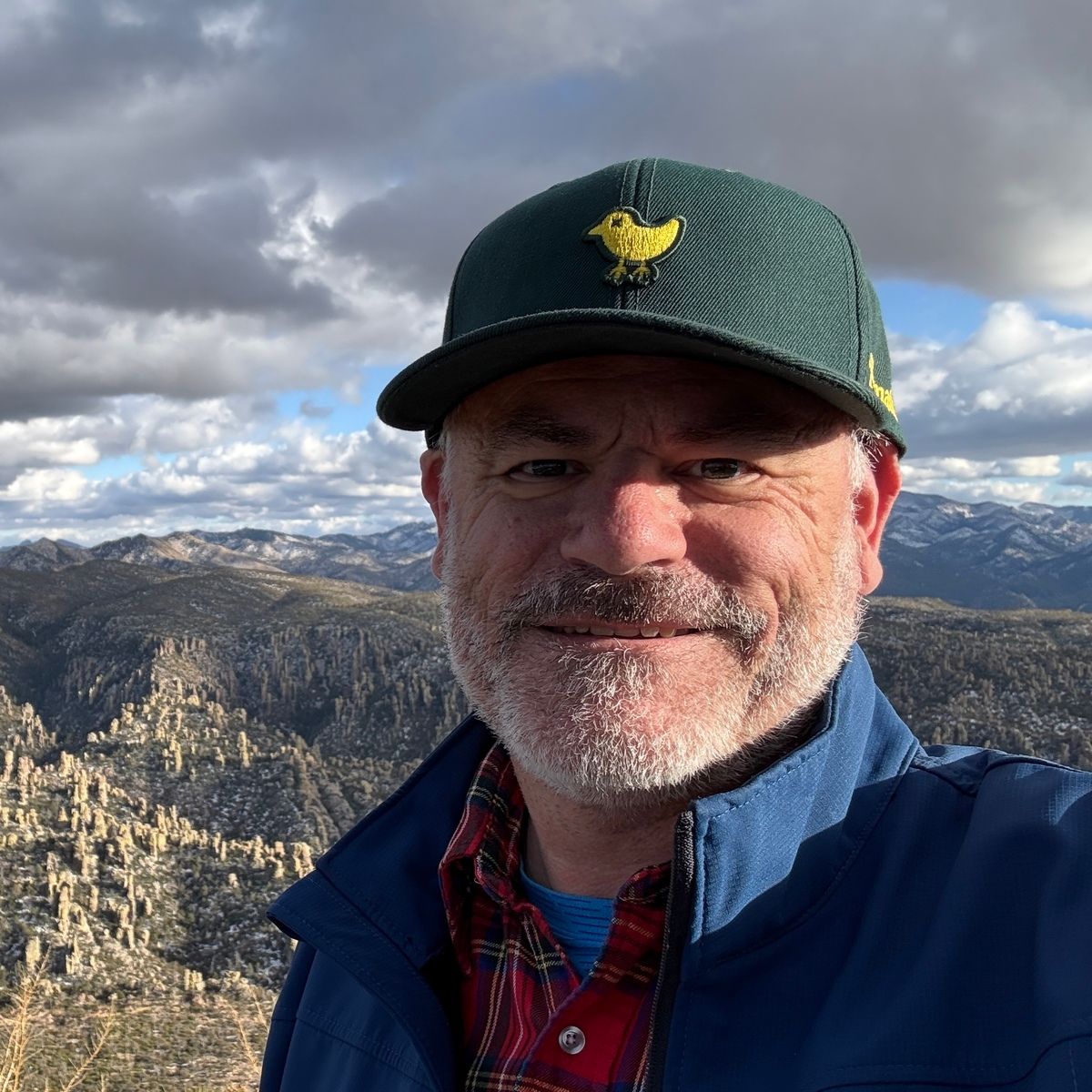
Some of the images you see in the newsletter are created using modern AI image tools. Whenever possible, I use my own photos from around Sun City and the West Valley, but sometimes it is helpful to generate an image that better illustrates a story or historical topic. These images are used simply to supplement the articles and help tell the story visually, not to mislead or deceive readers.